




The 2026 FIFA World Cup is going to be the biggest one ever held. Forty-eight teams instead of 32. A hundred and four matches instead of 64. Sixteen host cities spread across three countries. From Mexico City to Toronto to MetLife Stadium in New Jersey, this tournament is stretching across an entire continent. Nothing about it is small.
And with all that scale comes a whole lot of complexity. There's a brand-new group stage format to understand, debut nations making their first World Cup appearance, and some genuine controversies around ticket prices that reach $11,000 for a single final seat. Add in concerns about immigration policies, extreme heat, and the environmental footprint of flying teams between cities thousands of miles apart, and you've got a World Cup that's generating as much debate off the pitch as excitement on it.
This post covers all of it. You'll get a full breakdown of the host cities and venues, the key dates and match schedule, how qualification shook out, and the challenges FIFA is still working through. Whether you're planning a trip or just trying to follow along, this is everything you need going in.
The Grand Unveiling: What to Expect from FIFA World Cup 2026
A Historic Tri-Nation Hosting & Expanded Format
The 2026 FIFA World Cup is about to rewrite soccer history. This 23rd edition of the tournament brings 48 teams to the pitch, a massive jump from the familiar 32-team format we've watched for decades. What makes this tournament truly groundbreaking?
 Three countries will share hosting duties for the first time in men's World Cup history: Canada, Mexico, and the United States.
Mexico stands out here. The nation will make history as the first country to host or co-host the men's FIFA WorldCup three times, having previously welcomed the world in 1970 and 1986. That's a legacy no other nation can claim.
Mark your calendars. The tournament runs from June 11 to July 19, 2026, returning to that classic Northern Hemisphere summer schedule that feels just right for global soccer. The expanded format splits all 48 teams into twelve groups of four. The top two from each group advance automatically. Eight best third-placed teams also move forward to a brand new Round of 32.
Here's where things get bigger. The total match count jumps from 64 to 104 games. Teams that reach the final four will play eight matches instead of seven. The entire tournament stretches across 39 days, compared to the 32-day marathons we saw in 2014 and 2018.
Host Cities & Iconic Venues Across North America
Sixteen cities across North America will roll out the red carpet for FIFA WorldCup 2026. The United States claims 11 host cities, Mexico gets 3, and Canada secures 2. From Atlanta to Vancouver, from Guadalajara to Toronto, this tournament spreads across an entire continent.
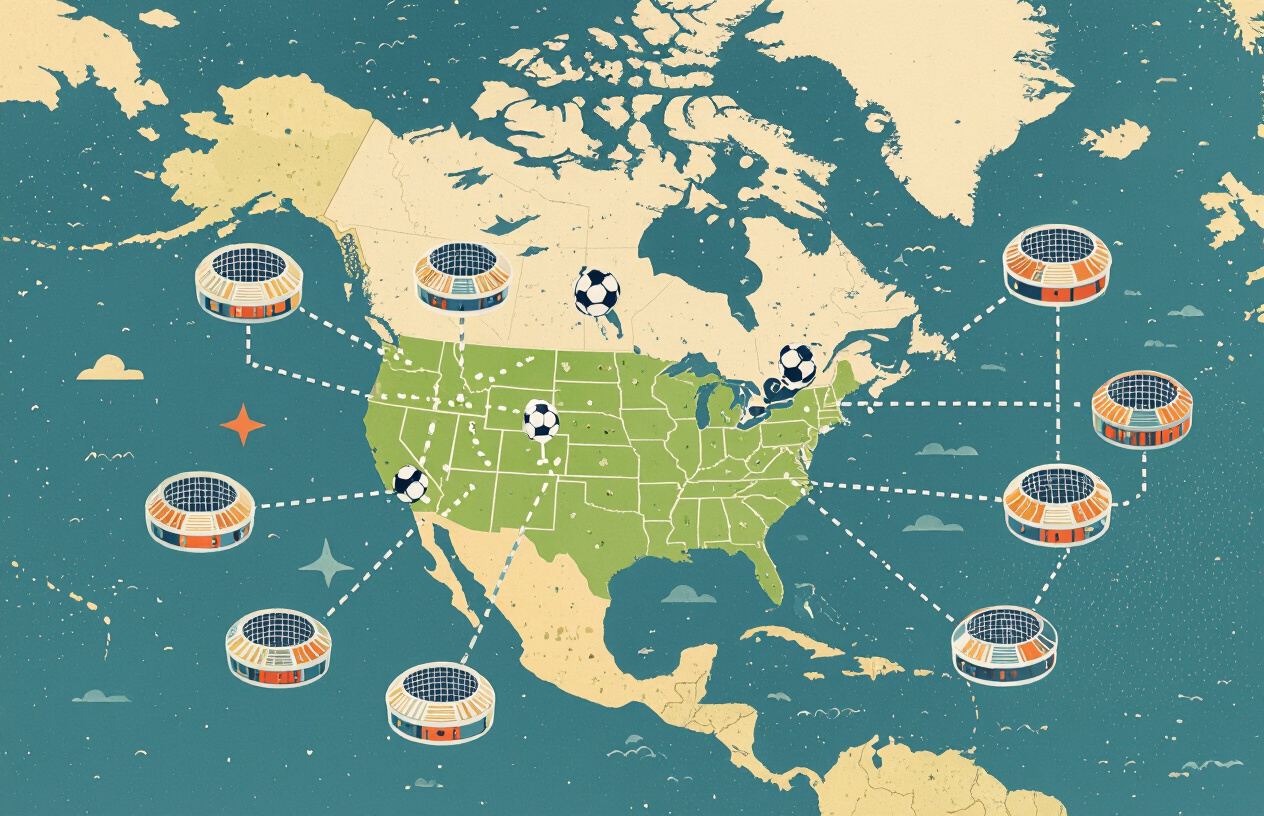
The complete lineup includes Atlanta, Boston, Dallas, Guadalajara, Houston, Kansas City, Los Angeles, Mexico City, Miami, Monterrey, New York/New Jersey, Philadelphia, San Francisco Bay Area, Seattle, Toronto, and Vancouver. Each city brings its own flavor and culture to the global stage.
Mexico City's Estadio Azteca carries special significance. It's the only stadium in this tournament that has previously hosted World Cup matches, having done so in both 1970 and 1986. Walking onto that pitch means stepping into living history.
MetLife Stadium in East Rutherford, New Jersey, gets the ultimate honor. The final match on July 19, 2026, will unfold there before a massive crowd. AT&T Stadium in Arlington, Texas, takes the crown for hosting the most matches, with nine games scheduled at the venue.
FIFA has organized the host cities into three geographic regions. The Western region includes Vancouver, Seattle, San Francisco, and Los Angeles. The Central region brings together Guadalajara, Mexico City, Monterrey, Houston, Dallas, and Kansas City. The Eastern region rounds out the list with Atlanta, Miami, Toronto, Boston, Philadelphia, and New York/New Jersey.
Eight of these sixteen stadiums currently have permanent artificial turf surfaces. Don't worry. They'll all be replaced with natural grass to meet FIFA standards and give players the authentic World Cup experience they deserve.
Key Dates and Match Schedule Highlights
The 2026 FIFA World Cup kicks off on June 11, 2026. Mexico gets the honor of playing the opening match at Estadio Azteca in Mexico City, a fitting tribute to their historic connection with the tournament. Canada follows the next day, June 12, with their opening match at BMO Field in Toronto. The United States also takes the field on June 12 at SoFi Stadium in Inglewood.
Each host nation plays all three group stage matches on home soil. That's a nice touch that gives each country a chance to showcase its passion and support for their national team without crossing borders during the group phase.
The group stage stretches from June 11 to June 27, 2026. After that, the knockout drama begins. The Round of 32 runs from June 28 to July 3. The Round of 16 follows from July 4 to 7. Quarterfinals heat up from July 9 to 11, and the Semifinals take center stage on July 14 and 15. The match for third place happens on July 18, setting up the grand finale on July 19.
The United States shoulders the biggest hosting responsibility. It will host 78 matches total, including every match from the quarterfinal stage onward. Canada and Mexico will each host 13 matches, giving fans in all three nations plenty of opportunities to witness world-class FIFA action in person.
Beyond the Pitch: Innovations, Controversies & Fan Experience
The New Tournament Format and Qualification Journey
The qualification process for FIFA WorldCup 2026 brought some major surprises and historic moments. Canada, Mexico, and the United States earned automatic spots as host nations, giving them a clear path to the tournament. The FIFA Council shook things up by introducing an intercontinental playoff tournament involving six teams competing for the final two spots. This marks a groundbreaking moment: every single confederation now has at least one guaranteed berth in the tournament.
Fresh faces are coming to the world stage. Cape Verde, Curaçao, Jordan, and Uzbekistan will make their FIFA debut in 2026, bringing new energy and unfamiliar matchups. On the flip side, some long-absent teams are making emotional returns. DR Congo hasn't appeared since 1974. Iraq last played in 1986. Austria, Norway, and Scotland are all back after missing out since 1998. But the biggest shock? Italy failed to qualify for the third consecutive WorldCup, a stunning collapse for a four-time champion.
The <a href="https://en.wikipedia.org/wiki/2026_FIFA_World_Cup">official draw happened on December 5, 2025</a>, at Washington D.C.'s Kennedy Center. All 48 teams were divided into four pots based on rankings, setting the stage for what promises to be the most diverse FIFA tournament in history.
Mascots, Branding, and the Official Match Ball
FIFA unveiled the official emblem and brand identity on May 17, 2023. The design features a stacked '26' with the iconic FIFA World Cup Trophy nestled inside. Simple, bold, and instantly recognizable. Each host city got its own customized version of the emblem. Los Angeles added a sun and wave. Toronto incorporated its famous skyline and CN Tower. These local touches give fans something personal to rally behind.
The mascots arrived on September 25, 2025, celebrating the cultural pride of each host nation.
 Meet Maple the Moose representing Canada, Zayu the Jaguar for Mexico, and Clutch the Bald Eagle standing tall for the United States. These characters aren't just cute marketing tools. They reflect genuine cultural heritage and national identity.
Adidas designed the official match ball, named the Trionda. It features red, green, and blue colors honoring all three host countries. National symbols are woven into the design: Canada's maple leaf, Mexico's golden eagle, and the United States' five-pointed star. Even the <a href="https://en.wikipedia.org/wiki/2026_FIFA_World_Cup">official theme song dropped on the same day</a> as the emblem, an instrumental track titled 'FIFA World Cup 26 Theme Song' that captures the tournament's continental vibe.
Addressing Challenges: Climate, Immigration, and Ticket Concerns
Not everything about FIFA WorldCup 2026 is celebration and excitement. Real concerns are bubbling up. Heat poses a serious threat in several host cities, especially during June and July. FIFA responded by mandating three-minute hydration breaks in each half of matches played in extreme temperatures. Players need protection, and this rule change shows organizers are taking health seriously.
Climate activists aren't holding back criticism either.
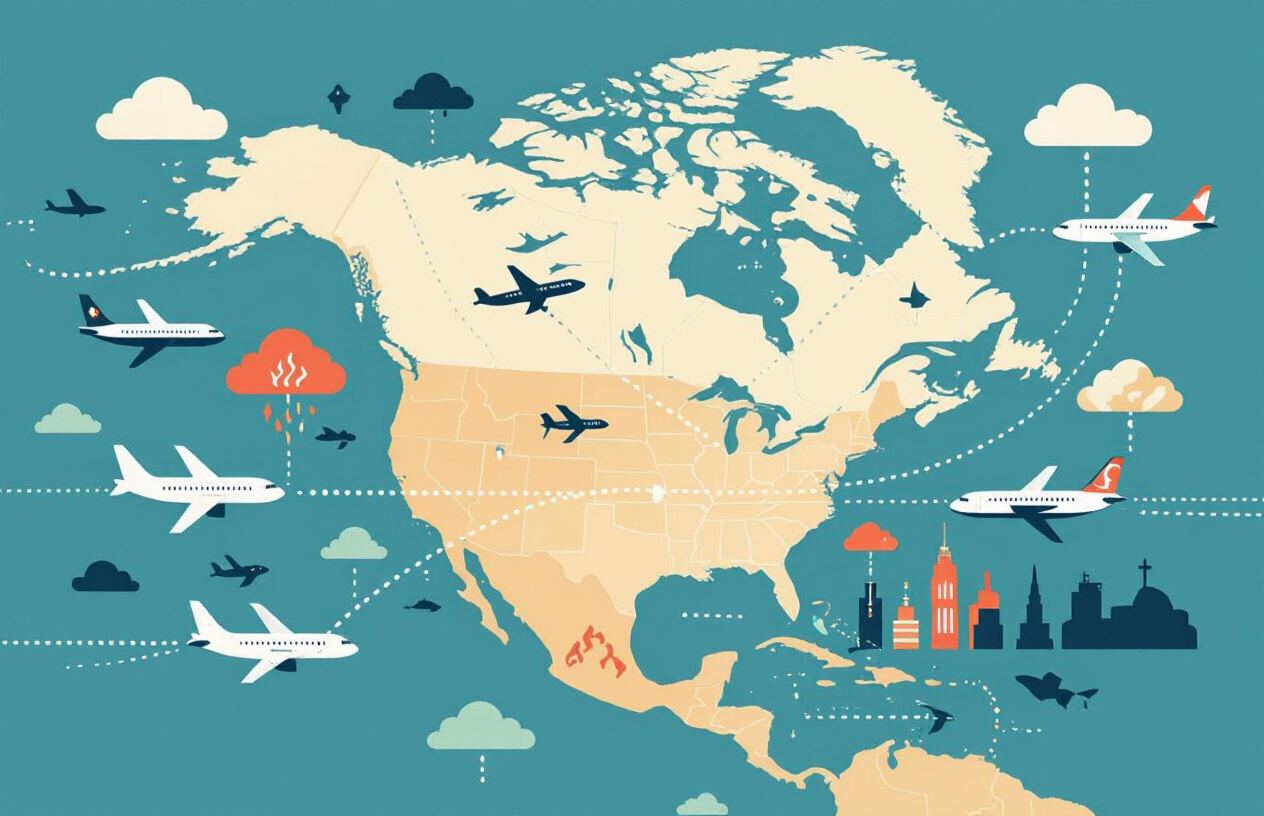 The expanded 48-team format means more flights, more travel, and a bigger carbon footprint. With host cities spread across three countries and two time zones, teams and fans will rack up thousands of air miles. Environmental groups are calling this <a href="https://en.wikipedia.org/wiki/2026_FIFA_World_Cup">one of the most polluting sporting events ever held</a>.
U.S. immigration policies have created anxiety for international fans and players. Travel bans and a 'visa bond' program could block entry for people from certain countries. Fans are also upset about ticket prices, particularly in the United States. A single final ticket could cost up to US$11,000. FIFA confirmed they're using dynamic pricing, the same controversial system rolled out for the 2025 FIFA Club World Cup.
The final match will include a halftime show co-produced by Global Citizen, designed to boost commercial appeal. Critics call it the 'Americanization' of soccer. They worry it will disrupt the match flow and turn a sacred sporting event into another entertainment spectacle. The debate is fierce, and fans worldwide are watching closely.